
Anúncios
Western films have captivated audiences for over a century, shaping cinema history with tales of frontier justice, rugged landscapes, and unforgettable characters.
The Golden Age of Western Cinema
Explore Classic Westerns
The Western genre represents one of cinema’s most enduring and influential categories, defining American filmmaking throughout the 20th century. These films transported viewers to a mythical version of the American frontier, where cowboys, outlaws, and sheriffs navigated a lawless landscape governed by personal codes of honor.
From silent films to modern reinterpretations, Western movies have evolved while maintaining their core themes of survival, justice, and the clash between civilization and wilderness. Understanding this genre provides insight into not only film history but also American cultural identity and storytelling traditions.
🎬 The Birth and Evolution of Western Films
Western cinema emerged during the silent era, with “The Great Train Robbery” (1903) often credited as the first significant Western film. This 12-minute production established many conventions that would define the genre for decades to come, including chase sequences, shootouts, and frontier settings.
During the 1920s and 1930s, Westerns became a staple of American cinema. Studios produced hundreds of low-budget “B-Westerns” that played in theaters nationwide, creating stars like Tom Mix, Gene Autry, and Roy Rogers. These films presented simplified narratives of good versus evil, with singing cowboys often providing entertainment beyond the action sequences.
The genre reached its artistic peak during the 1940s and 1950s, when directors like John Ford, Howard Hawks, and Anthony Mann elevated Westerns into sophisticated works of cinema. Films such as “Stagecoach” (1939), “Red River” (1948), and “Shane” (1953) demonstrated that Westerns could explore complex themes while maintaining popular appeal.
🌵 Defining Characteristics of Classic Westerns
Western films share distinctive visual and narrative elements that make them instantly recognizable. The vast, open landscapes of the American West serve as more than mere backdrops—they become characters themselves, representing both opportunity and danger.
The typical Western protagonist embodies specific values: self-reliance, moral clarity, and physical prowess. Whether a lone gunslinger, a frontier lawman, or a reluctant hero, these characters navigate conflicts through action rather than words. Their journeys often involve bringing order to chaos or defending communities against threats.
Key recurring elements include:
- Showdowns and duels that resolve conflicts through direct confrontation
- Saloons, ranches, and frontier towns as primary settings
- Horses as essential companions and transportation
- Conflicts between settlers and indigenous peoples
- Themes of revenge, redemption, and justice
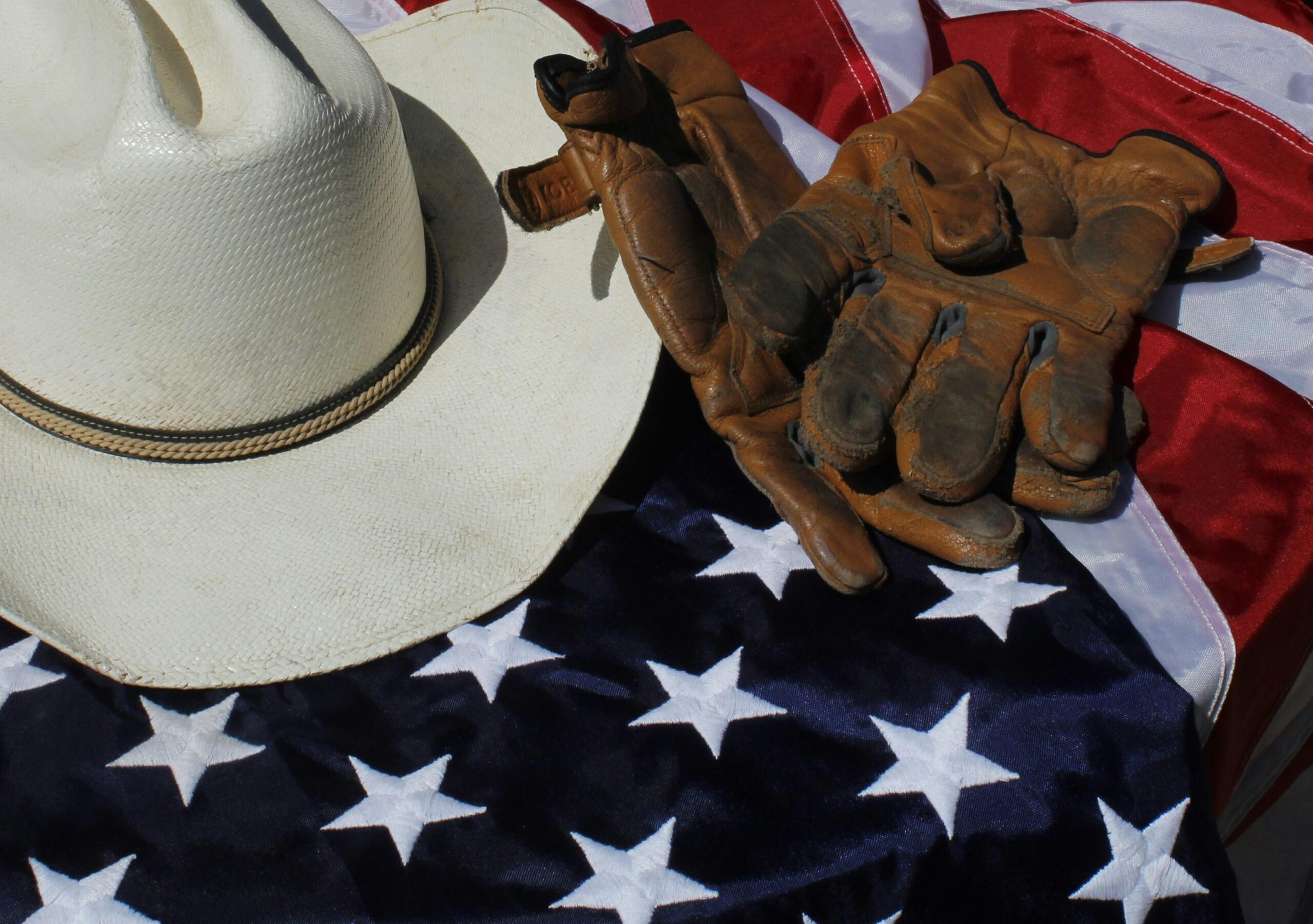
- Distinctive costumes including cowboy hats, boots, and holsters
🎭 Legendary Directors and Their Contributions
John Ford stands as perhaps the most influential Western director in cinema history. His Monument Valley films, including “The Searchers” (1956) and “The Man Who Shot Liberty Valance” (1962), established visual standards for the genre while exploring darker, more ambiguous themes than typical Westerns.
Sergio Leone revolutionized the genre during the 1960s with his “Spaghetti Westerns” filmed in Italy and Spain. “A Fistful of Dollars” (1964), “For a Few Dollars More” (1965), and “The Good, the Bad and the Ugly” (1966) introduced extreme close-ups, operatic violence, and morally ambiguous characters that challenged traditional Western conventions.
Sam Peckinpah brought unprecedented realism and violence to Westerns with “The Wild Bunch” (1969), depicting the end of the Old West through graphic action sequences and flawed, aging protagonists. His work influenced action cinema far beyond the Western genre.
⭐ Iconic Western Stars
John Wayne became synonymous with Western cinema, appearing in over 80 Western films throughout his career. His commanding presence and distinctive persona defined the archetypal Western hero for generations of audiences. Films like “True Grit” (1969) showcased his ability to blend toughness with vulnerability.
Clint Eastwood emerged as a Western icon through Leone’s films before directing his own revisionist Westerns. “Unforgiven” (1992) deconstructed Western mythology while honoring the genre’s traditions, earning multiple Academy Awards and demonstrating the Western’s continuing relevance.
Other legendary Western actors include:
- Gary Cooper – “High Noon” (1952) remains a masterclass in understated heroism
- James Stewart – collaborated with Anthony Mann on psychological Westerns
- Henry Fonda – versatile performances in both heroic and villainous roles
- Lee Van Cleef – became iconic as a Spaghetti Western antagonist
- Randolph Scott – starred in numerous Budd Boetticher Westerns
🔫 Subgenres and Variations
The Western genre encompasses numerous subgenres, each offering distinct perspectives on frontier life. The “revisionist Western” emerged during the 1960s and 1970s, questioning traditional genre myths and presenting more complex historical perspectives.
Spaghetti Westerns, produced primarily in Europe, featured stylized violence, cynical protagonists, and distinctive musical scores by Ennio Morricone. These films influenced global cinema and introduced international audiences to new Western aesthetics.
The “psychological Western” focuses on character development and internal conflicts rather than action. Films like “The Man from Laramie” (1955) and “The Naked Spur” (1953) explored darker human motivations within Western settings.
Contemporary Westerns continue evolving the genre. “No Country for Old Men” (2007) transplanted Western themes into modern Texas, while “Hell or High Water” (2016) examined economic desperation through a Western lens. These films demonstrate the genre’s adaptability to contemporary concerns.
🎵 The Sound of the West
Music plays an essential role in establishing Western atmosphere and emotion. Traditional Western scores featured sweeping orchestral arrangements that emphasized the grandeur of frontier landscapes and the drama of confrontations.
Ennio Morricone revolutionized Western music through his innovative scores for Leone’s films. His use of unconventional instruments, whistling, and electric guitars created instantly recognizable soundscapes that became inseparable from the films themselves.
Singing cowboys like Gene Autry and Roy Rogers incorporated musical performances directly into their films, blending Western action with entertainment variety. This tradition influenced later Westerns and contributed to country music’s development.
📽️ Cinematography and Visual Language
Western cinematography developed distinctive visual conventions that emphasized the relationship between characters and landscape. Wide shots established the vastness of frontier territories, while close-ups intensified emotional moments and confrontations.
Directors utilized natural lighting to create authentic atmospheres, shooting on location in areas like Monument Valley, Utah, and Almería, Spain. These settings provided dramatic backdrops that enhanced narrative themes of isolation and struggle.
Color cinematography transformed Westerns during the 1950s, allowing filmmakers to showcase the vibrant beauty of desert landscapes and create more visually spectacular productions. Films like “The Searchers” demonstrated how color could enhance emotional storytelling.
🏛️ Cultural Impact and Legacy
Western films profoundly influenced global popular culture, establishing archetypes and narrative patterns that extend far beyond cinema. The lone hero confronting evil, the showdown at high noon, and the frontier town under siege became universal storytelling templates.
The genre shaped perceptions of American history, creating mythologized versions of the Old West that often diverged from historical reality. While early Westerns reinforced simplified narratives of frontier expansion, later films questioned these myths and presented more nuanced perspectives.
International filmmakers adapted Western conventions to their own contexts, creating “Osterns” (Eastern European Westerns), “Curry Westerns” (Indian films), and “Weird Westerns” (incorporating supernatural elements). This global influence demonstrates the genre’s universal appeal and flexibility.
🎓 Critical Perspectives and Analysis
Film scholars have extensively analyzed Westerns as expressions of American ideology and cultural anxieties. The genre’s popularity during different historical periods reflects changing national attitudes toward violence, justice, and frontier mythology.
Feminist critics have examined the predominantly masculine nature of Westerns, noting limited roles for female characters in classical films. However, films like “Johnny Guitar” (1954) and more recent productions have challenged gender conventions within the genre.
Postcolonial analyses address Westerns’ treatment of indigenous peoples, acknowledging how many films perpetuated harmful stereotypes while recognizing efforts by some filmmakers to present more balanced perspectives. Films like “Dances with Wolves” (1990) attempted to correct historical imbalances, though debates continue about their effectiveness.
🌟 Essential Western Films to Watch
For those new to Western cinema, certain films provide essential introductions to the genre’s range and evolution. These selections represent different eras and approaches while maintaining high entertainment value and artistic achievement.
Classic period recommendations include “The Searchers” for Ford’s masterful direction, “High Noon” for suspenseful storytelling, and “Shane” for archetypal Western narratives. These films established conventions that later Westerns would reference and revise.
Spaghetti Western enthusiasts should experience Leone’s “Dollars Trilogy” and “Once Upon a Time in the West” (1968), which showcase the subgenre’s distinctive style and Morricone’s unforgettable scores.
Modern Western explorations benefit from watching “Unforgiven” to see deconstruction of genre myths, “The Assassination of Jesse James by the Coward Robert Ford” (2007) for contemplative pacing and cinematography, and “True Grit” (2010) for the Coen Brothers’ distinctive interpretation of classic material.
🎬 The Western’s Ongoing Relevance
Despite predictions of the genre’s death, Westerns continue appearing in various forms. Television series like “Deadwood,” “Justified,” and “Westworld” demonstrate ongoing interest in Western themes and settings, adapting them for contemporary audiences.
Contemporary filmmakers like Quentin Tarantino, Kelly Reichardt, and the Coen Brothers have created Westerns that honor genre traditions while incorporating modern sensibilities. Their work proves that Western storytelling remains vital when approached with fresh perspectives.
The genre’s fundamental themes—justice, survival, community formation, and individual autonomy—remain universally relevant. As long as audiences connect with these concepts, Westerns will find new expressions and interpretations.

🌄 Why Western Films Endure
Western films persist because they address timeless human concerns through visually compelling narratives. The genre’s archetypal conflicts between order and chaos, civilization and wilderness, individual freedom and social responsibility continue resonating across cultures and generations.
The Western landscape provides filmmakers with dramatic visual possibilities unavailable in other genres. Desert vistas, mountain ranges, and open plains create cinematic spectacle while symbolizing characters’ internal struggles and moral journeys.
Furthermore, Westerns offer flexibility for exploring contemporary issues through historical distance. Filmmakers can address topics like violence, justice, racism, and economic inequality within Western settings, allowing audiences to consider these subjects from new perspectives.
The genre’s emphasis on action and visual storytelling transcends language barriers, contributing to its international appeal. A Western showdown or chase sequence communicates clearly regardless of the viewer’s native language, making these films accessible worldwide.
As cinema continues evolving, Western films adapt while maintaining core elements that define the genre. Whether through traditional narratives or radical reinterpretations, Westerns remain an essential part of film history and contemporary cinema, offering entertainment, artistic achievement, and cultural insight that few other genres can match.
